
Have you ever put leave-in conditioner on freshly washed hair, loved how soft it felt, and then wondered why it felt sticky or rough once it dried? The amount you used, how evenly you applied it, and what you layered over it can all change the result.
I like using a leave-in on wash day because it can make my hair easier to handle before styling. I pay particular attention to the ends. They can feel rough even when the rest of my hair feels fine, and sometimes a little product on those ends is all I need.
Where Does Leave-In Conditioner Go in Your Routine?
On a typical wash day, apply your leave-in after rinsing out your regular conditioner or hair mask and before applying gel, mousse, or another styler. Follow the label for whether to use it on wet, damp, or dry hair. A product meant to be rinsed out should be rinsed out, even if you like how it feels while it’s on.
Pay attention to the first point in your routine where your hair becomes difficult to handle. If your ends are already snagging while your rinse-out conditioner is in, work on that step first. My guide to using a hair mask for dry natural hair walks through sectioning and detangling before you get to styling.
Choose a Texture Based on How You Style Your Hair
Think about what you want the leave-in to do. Do you need something that spreads easily under gel? Do you want more slip so you can separate tangles? Or do your ends need a richer finish before you twist your hair? Those are good starting points when you’re looking at bottles and jars that all promise softness.
A light spray or lotion for layering
If richer products tend to flatten your hair or leave a film, try a spray or light lotion. This is a good starting point if you regularly follow your leave-in with gel or mousse. Work it through one section, add your usual styler, and see how the two dry together.
A lotion with good slip for easier handling
If your fingers tend to catch as you separate damp hair, look for a leave-in that spreads easily and gives you enough slip to work through the section gently. Try it on a section that usually gives you trouble. If you reach a knot, loosen it with your fingers before drawing a comb through it.
A richer cream for rough ends or twists
If your ends feel rough before a twist-out, try a small amount of cream on those ends before coating the entire section. Once the twists are dry, check whether the ends feel softer and whether you like the finish.
Hair density and strand thickness can affect different parts of the process. If you have lots of fine strands, for example, you may need more sections for even coverage and only a little product in each. If the hair on the outside of a section feels coated while the inside still feels rough, split the section before adding more.
How to Apply Leave-In Conditioner on Wash Day
- Start with the amount of water the label calls for. If it says to apply to damp hair, gently squeeze out excess water after rinsing. If a section starts to dry while you work, lightly mist it before adding the leave-in.
- Make a section you can open with your fingers. Clip or loosely twist the rest out of the way. On thicker areas, make smaller sections so you can reach the strands underneath.
- Apply a small amount to the lengths and ends. For a lotion or cream, spread it across your palms, then smooth it over the section. Open the section and distribute the product through the middle. Give the ends a little extra attention if they tend to snag.
- Check coverage before adding more. If one spot still feels rough, check whether you reached it. Apply a little more where you missed a spot. If the whole section already feels slick and there’s plenty left on your palms, start with less on the next section.
- Style as usual and check once dry. If you’re trying a new leave-in with a gel or mousse, test the combination on one section first. Check for flakes, residue, or a sticky finish once that section dries.
What If Your Hair Feels Sticky, Flaky, or Dry?
It feels sticky or coated once it dries
On your next wash day, pick two neighboring sections that usually dry in a similar way. Use your usual amount on one and a smaller amount on the other. Keep the dampness and styling products as similar as you can. If the section with less leave-in feels lighter and the ends are still easy to handle, try that smaller amount on the rest of your hair next time.
You see flakes after layering with gel
Let one small section dry with just the leave-in. Use the same amount of leave-in on a second section and add your usual gel. If flakes show up mainly where the products overlap, try reducing one layer or testing another pairing. If both sections flake, try a smaller amount of leave-in by itself on the next wash day and see what changes.
Your ends feel rough again the next morning
Think back to the rinse. Were your ends already catching before you applied the leave-in? If so, check how evenly you applied your rinse-out conditioner and whether the same areas needed extra time to detangle. If your hair felt soft through styling and only a few ends feel rough the next day, check whether the label allows between-wash use and try refreshing just those ends.
Should You Reapply Leave-In Every Day?
Use the label and the feel of your hair to decide. If your hair is still soft and easy to handle, you can leave it alone. If the ends of a couple of twists feel dry, start there. Once that small section dries, see whether it feels softer or whether the extra layer makes it tacky.
Two Leave-Ins and a Styler to Try
This section contains affiliate links. As an Amazon Associate I earn from qualifying purchases.
Aunt Jackie’s Transform Hydrating Leave-In Conditioner
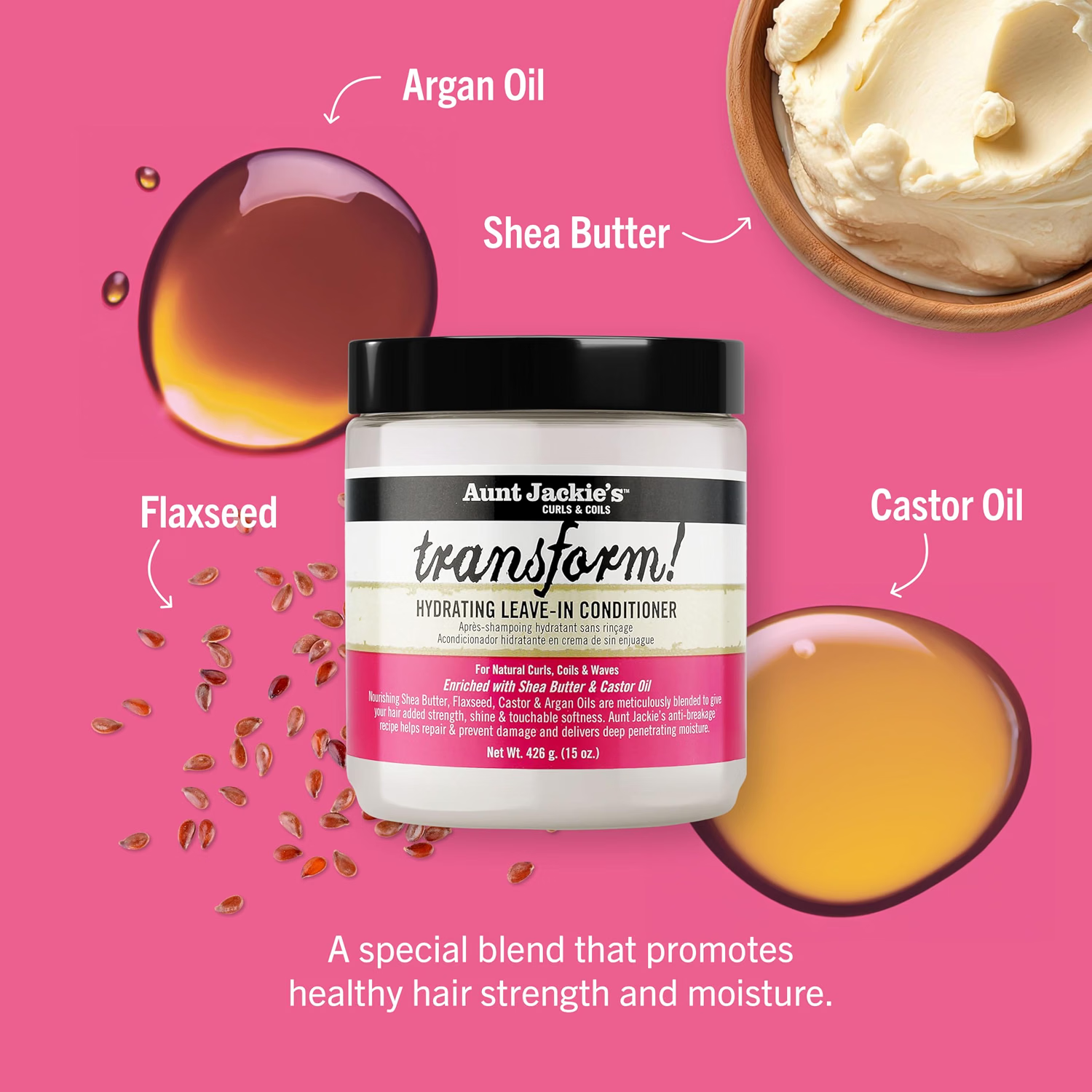
If you prefer a cream you can spread between your palms, try this on freshly washed hair, following the label directions. Start with a small amount on one section and work it through the lengths and ends. If the outside feels coated but the strands underneath still feel rough, split the section and distribute what’s already there before adding more.
View Aunt Jackie’s Transform Leave-In Conditioner on Amazon
SheaMoisture Jamaican Black Castor Oil Strengthen & Restore Leave-In Conditioner
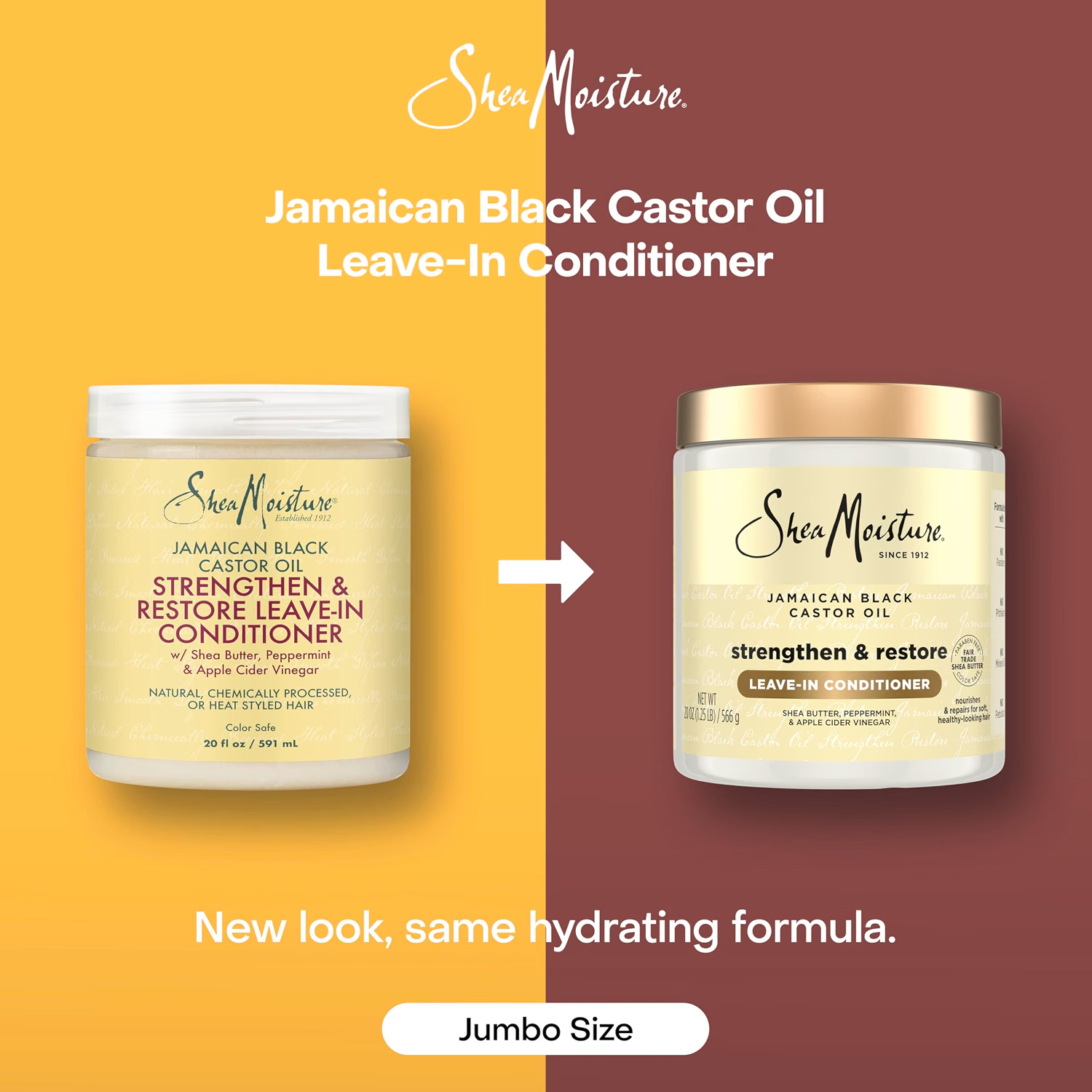
This is another leave-in to consider if your ends still feel rough after you rinse out your conditioner. Try a small amount on the ends first. Once your hair dries, see whether those ends feel softer and easier to separate. If you plan to use a custard or styling cream afterward, keep the leave-in layer light so you can judge how the two feel together.
View SheaMoisture Jamaican Black Castor Oil Leave-In Conditioner on Amazon
Aunt Jackie’s Curl La La Defining Curl Custard
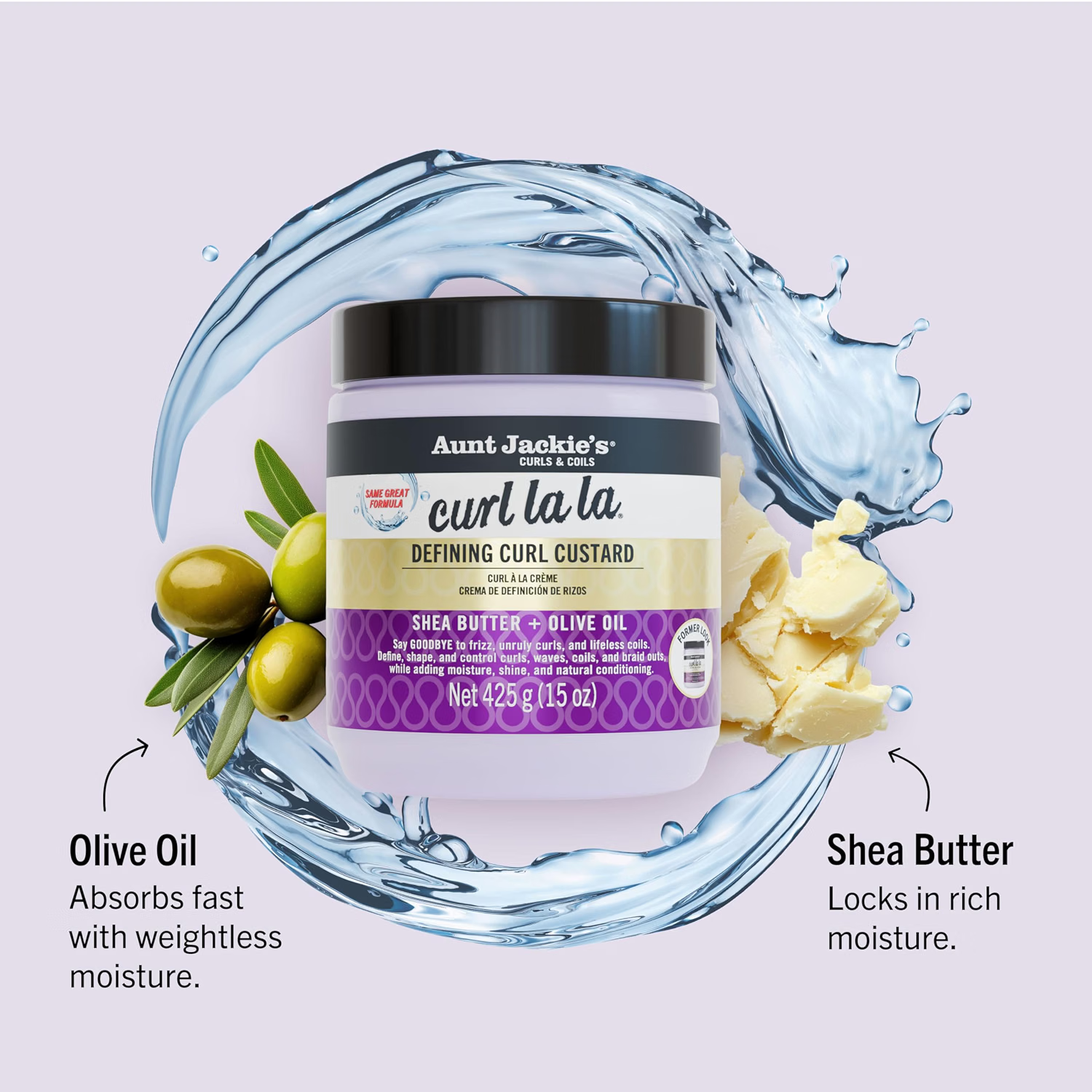
Curl La La is a styling custard for defining curls and coils. If you want to layer it over your leave-in, apply the same amount of leave-in to two neighboring sections, then add a little custard to just one. Once both are dry, compare the definition and feel. If only the layered section flakes or feels tacky, try less custard on your next wash day and see whether that helps.
View Aunt Jackie’s Curl La La Defining Curl Custard on Amazon
If creams usually feel heavy on your hair, my leave-in conditioner guide for 4C hair includes a lighter option to compare.