
Have you ever picked up two bottles that both said “hair oil” and wondered why one felt completely different from the other? One might be a thick castor oil, another might be a light finishing serum, and a third might be a blend made for the scalp. The front labels can make them sound like they all do the same job.
When I’m shopping for an oil for Black natural hair, I start by thinking about where I’ll use it. A bottle I want for a little shine on a twist-out is a different purchase from something I want to rinse out on wash day. Here’s what I’d look for before spending the money.
Affiliate disclosure: The Amazon links below are affiliate links. As an Amazon Associate I earn from qualifying purchases.
Three things to check on the bottle
- Where it’s meant to go – Look at the directions. Is it a finishing product for the lengths and ends, a pre-shampoo treatment, or a blend labeled for scalp use?
- What’s in the formula – Look at the ingredient list if you’re comparing a single-ingredient oil with a blend. A product can feature argan or coconut oil on the front and still contain several other ingredients that affect how it feels.
- How much control you have – A dropper or pump is handy if you only want a wee bit at a time. If you have fine strands or your twists lose their bounce easily, being able to dispense a small amount can make the bottle easier to use.
1. Jamaican black castor oil for a richer finish
Castor oil is the thick option in this lineup. I’d consider it if you like a little more coating on your ends and you already know your hair gets along with heavier products. If oils tend to leave your hair tacky, think about whether you’d enjoy using a thick one before committing to a large bottle.

Sunny Isle and Tropic Isle Living are two options to compare. Check the exact variant, bottle size, and ingredient list on each listing, especially if you prefer a plain oil over a scented blend.
- See Sunny Isle Jamaican Black Castor Oil on Amazon
- See Tropic Isle Living Jamaican Black Castor Oil on Amazon
2. Rosemary mint blends for an optional scalp step
If you’re curious about a rosemary product, check whether you’re holding a finished hair and scalp blend or a bottle of concentrated essential oil. I’d choose a ready-to-use blend with clear directions for the scalp. If you prefer products without a strong scent or cooling feel, check the ingredients before choosing a rosemary mint blend.
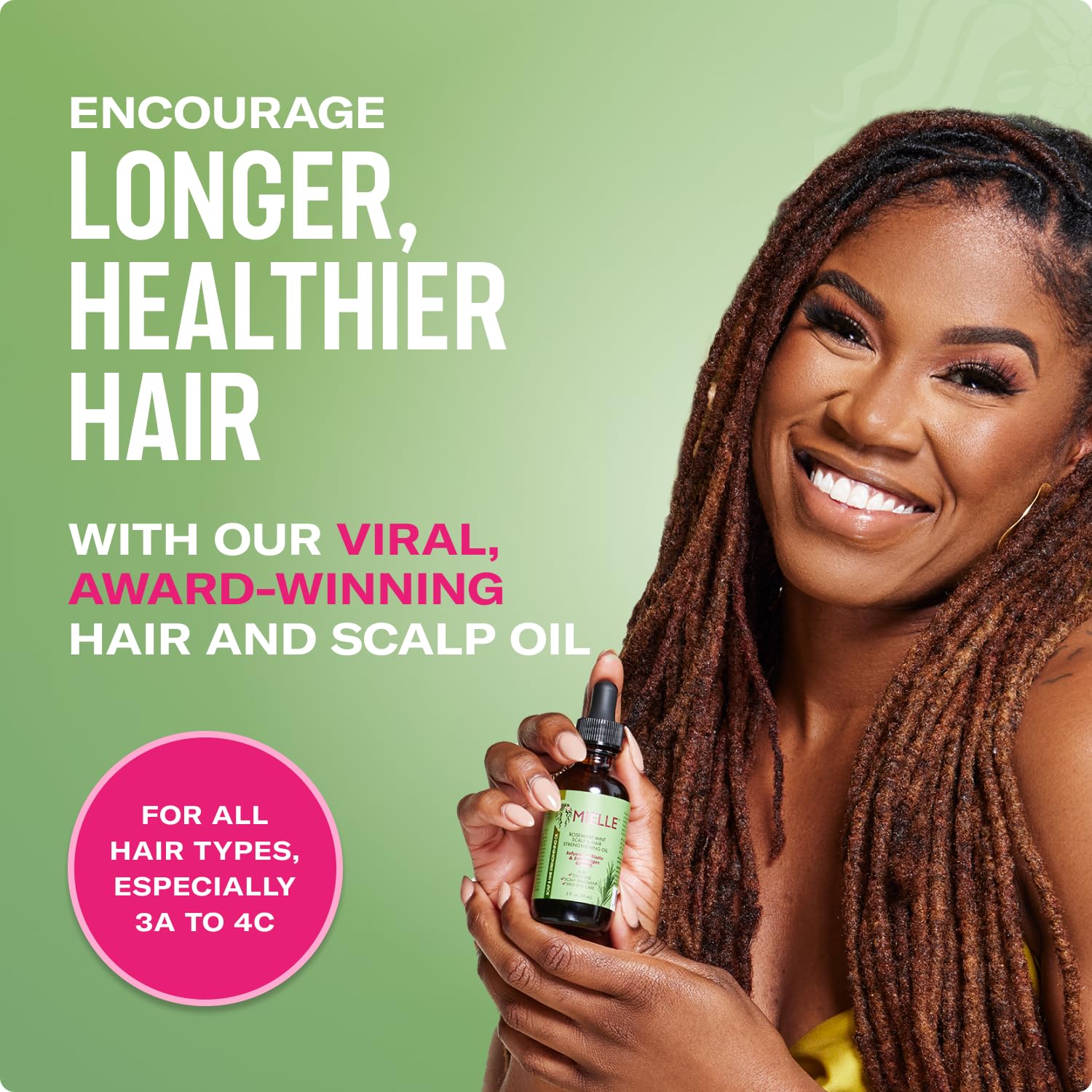
I’d shop for this based on whether I want an extra scalp step and whether the formula feels comfortable. If thinning edges are what brought you here, my edge care guide explains when to ease up on styles that pull and when thinning is worth getting checked.
3. Coconut oil for a pre-shampoo step
If you want to try coconut oil before shampooing, decide whether you want a plain oil or a packaged hair treatment. A plain coconut oil and an oil treatment with coconut in the name can have different textures and directions. For a first try, I’d look for a size I can finish if it turns out I only want to use it occasionally.

4. Argan oil treatments for shine and finishing
If I wanted a little shine after styling, I’d compare argan oil treatments first. Check whether you’re buying pure argan oil or a finishing blend that contains it. If you already use a serum you enjoy, look at its ingredient list before buying another bottle. You may already have something that gives you the finish you’re after.
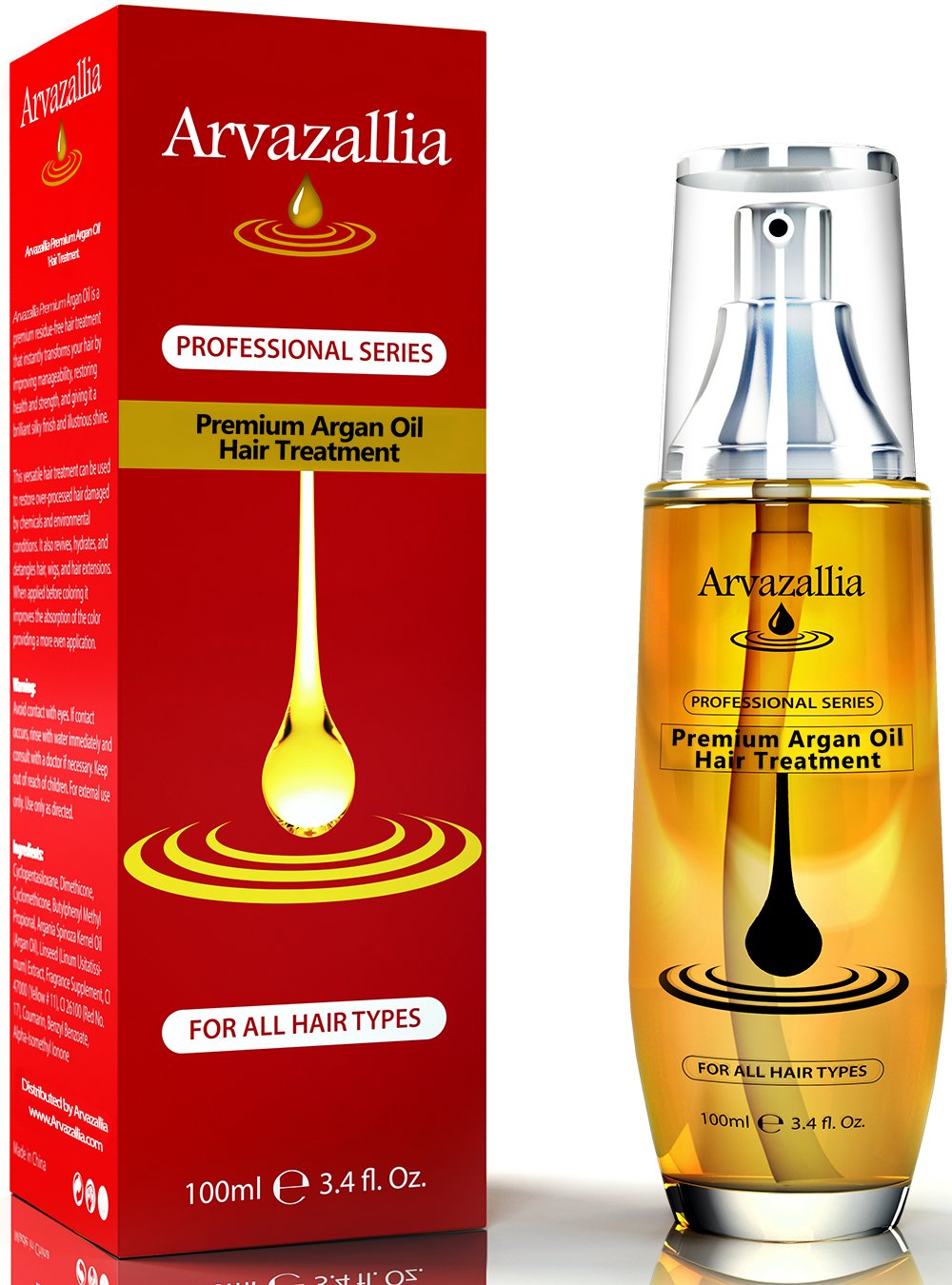
- See the OGX Argan Oil of Morocco listing on Amazon
- See Arvazallia Argan Oil Hair Treatment on Amazon
5. Peppermint blends if you like a cooling feel
If what you enjoy is that minty feel, look for a ready-to-use blend labeled for scalp application and follow the directions. Keep undiluted peppermint essential oil off your scalp. And before buying a separate peppermint blend, check the label on any rosemary mint oil you already own. It may already give you the feel you were looking for.
Which bottle would I buy first?
For a little shine on hair that already feels soft, I’d start with a finishing oil. For ends that feel rough, I’d check what my conditioner or leave-in is doing first. If I wanted to try a pre-shampoo step, I’d start with a small amount of coconut oil and see whether I liked the way my hair felt after washing.
Once you’ve picked a bottle, my guide to using hair oils on natural hair shows where to apply it, how much to start with, and what to do if it weighs your hair down. And if your ends still feel dry after wash day, my leave-in conditioner guide for 4C hair can help you choose what to try before you reach for more oil.